
How to Master Xiaohongshu in Singapore: Proven Strategies for Businesses
Xiaohongshu has become an increasingly important discovery platform for businesses trying to reach Chinese-speaking consumers in Singapore. Also known as RED or Little Red Book, the platform combines elements of social media, search, reviews, lifestyle discovery and product research.
What makes Xiaohong shu different from many conventional social platforms is how people use it. Users often open the app with a specific question or intention. They may be researching the best cafés in Singapore, comparing facial treatments, looking for tuition centres, planning an itinerary, checking hotel reviews or deciding where to shop.
For businesses, this means attractive photos alone are rarely enough. Content needs to be useful, specific, trustworthy and closely matched to what potential customers are already searching for.
The businesses that perform well on Xiaohongshu therefore tend to treat the platform less like a digital billboard and more like a searchable library of useful experiences and recommendations.
Key Takeaways
- Xiaohongshu works particularly well for categories where customers research before making a decision, including beauty, F&B, education, travel, wellness and lifestyle.
- Search intent should influence content topics, titles, cover text and captions.
- Useful answers to real customer questions often perform better than conventional promotional copy.
- KOCs, KOLs, organic brand content and paid promotion play different roles and work best when connected.
- Consistency matters because a strong Xiaohongshu profile becomes a library of information that customers can explore.
- Businesses should measure enquiries, bookings and sales—not just likes and followers.
- Successful Xiaohongshu marketing should connect discovery with a clear path to enquiry, booking or purchase.
Why Xiaohongshu Matters for Businesses in Singapore
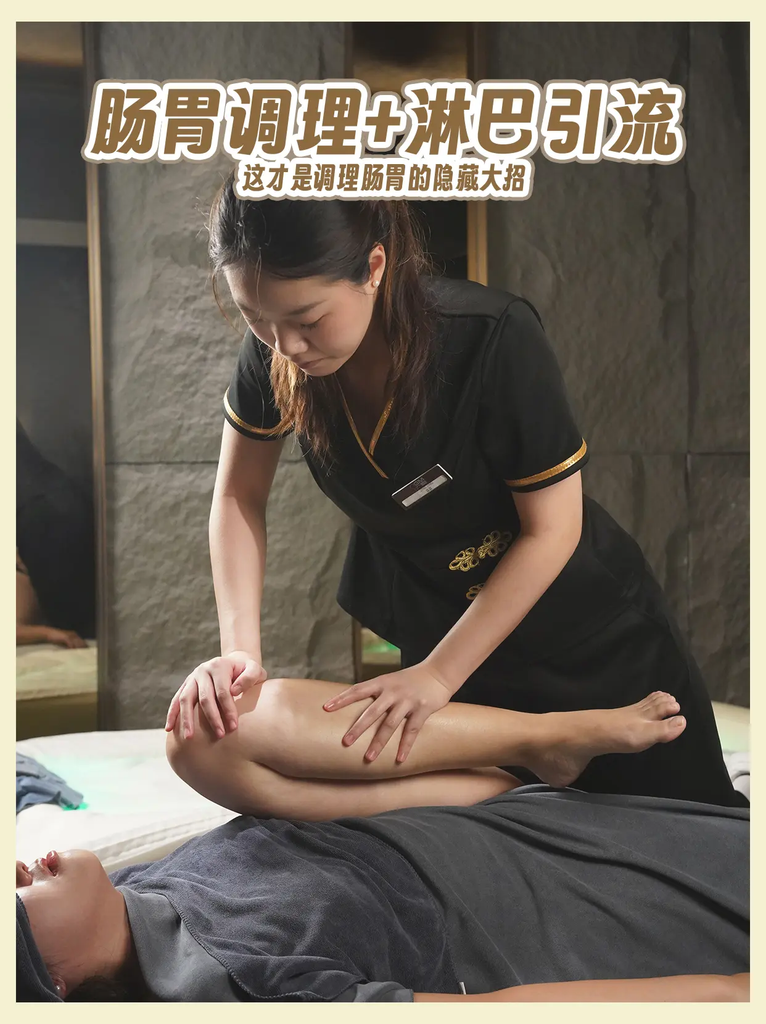
Singapore is particularly well suited to Xiaohongshu because businesses can potentially reach both local Chinese-speaking consumers and visitors from Greater China.
According to Singapore’s Department of Statistics, Chinese residents represented 73.9% of Singapore’s resident population as of June 2025. This does not mean every Chinese Singaporean uses Xiaohongshu, but it illustrates the size of the local audience that may be comfortable consuming Chinese-language content.
Tourism adds another dimension. Singapore Tourism Board reported that Mainland China was Singapore’s largest international visitor market in 2025, with 3.1 million arrivals.
For businesses in tourism, retail, dining, beauty and other experience-driven industries, being discoverable while these users are researching Singapore can therefore be valuable.
Someone planning a trip might search for topics such as:
- 新加坡必吃美食 — must-try food in Singapore
- 新加坡咖啡厅推荐 — recommended cafés in Singapore
- 乌节路购物攻略 — Orchard Road shopping guide
- 新加坡亲子景点 — family attractions in Singapore
- 新加坡酒店推荐 — recommended Singapore hotels
- 新加坡医美 / 美容推荐 — beauty or aesthetic recommendations
- 新加坡自由行攻略 — Singapore independent travel guide
Local residents may behave similarly when researching restaurants, beauty treatments, enrichment programmes, products or services.
The opportunity is therefore not simply to advertise to people. It is to become part of their research process before they decide where to spend their money.
Understand How People Use Xiaohongshu
One of the biggest mistakes businesses make is treating Xiaohongshu exactly like Instagram or Facebook.
Visual presentation remains important, but users frequently expect considerably more information from a Xiaohongshu post.
A useful post might explain:
- What an experience is actually like
- Who a product or service is suitable for
- How much something costs
- What customers should know before visiting
- What makes one option different from another
- What mistakes first-time customers should avoid
- What is included in a package
- What happens during an appointment
- Whether advance booking is necessary
- What customers should prepare beforehand
This gives Xiaohongshu content a potentially longer useful life than a purely promotional social post.
For example, a guide titled “What to Know Before Getting a Facial in Singapore for the First Time” may continue answering the same question for people researching the topic weeks or months after publication.
A useful question for businesses to ask before creating any post is:
What would a potential customer genuinely want to know before making this decision?
That question should drive the content.
Treat Xiaohongshu as a Search-Led Discovery Platform
Search should be part of a Xiaohongshu strategy from the beginning rather than being added after a post has already been created.
Xiaohongshu’s own commercial ecosystem includes tools for analysing search and note insights, while its advertising products can reach users in both browsing and search environments.
For businesses, the practical lesson is straightforward:
Create content around the phrases, questions and problems customers are likely to search for.
Instead of beginning with:
What should we post this week?
Start with:
What might our customer search for before choosing a business like ours?
This small change can completely alter the quality of a content strategy.
How to Research Xiaohongshu Keywords in Singapore
Keyword research on Xiaohongshu does not have to begin with complicated software.
Businesses can start by identifying three categories of searches.
1. Category Searches
These describe what the customer wants.
Examples:
- 新加坡美容
- 新加坡补习
- 新加坡咖啡厅
- Singapore facial
- Singapore tuition
- Singapore brunch
2. Problem or Need Searches
These describe the customer’s actual concern.
Examples:
- 敏感肌适合什么facial
- 第一次做facial注意什么
- 新加坡小孩英文补习
- Orchard附近有什么好吃
- 新加坡下雨天去哪里
These searches often reveal stronger content ideas because they reflect a specific problem rather than a broad category.
3. Decision Searches
These appear closer to the point where someone is choosing between options.
Examples:
- Singapore facial price
- 新加坡facial推荐
- Orchard cafe recommendation
- 新加坡补习中心推荐
- 新加坡酒店对比
A business should ideally create content for all three stages instead of focusing only on broad category keywords.
Build Topic Clusters Instead of Repeating One Keyword
Strong Xiaohongshu SEO is not about forcing the same keyword into every post.
A more useful approach is to build topic clusters around the different questions connected to the same customer need.
Consider a facial salon in Singapore.
Instead of repeatedly publishing posts targeting only “Singapore facial”, the business could build a cluster containing:
- 第一次在新加坡做Facial要注意什么?
- 敏感肌适合做什么Facial?
- Singapore Facial价格通常包括什么?
- Extraction Facial和Hydrating Facial有什么区别?
- 做Facial前一天应该避免什么?
- 做完Facial后可以化妆吗?
- 多久做一次Facial比较适合?
- 新加坡天气为什么容易让皮肤出油?
- 第一次做Facial的完整流程
- 不同肤质应该怎样选择护理?
Together, these posts create much stronger topical coverage than ten variations of a promotional message.
The same approach works for restaurants, tuition centres, hotels, fitness studios, retailers and other service businesses.
Use Keywords Naturally
Once useful search topics have been identified, businesses can incorporate relevant phrases naturally into:
- Post titles
- Cover headlines
- Opening sentences
- Main captions
- Location references
- Image text where appropriate
- Relevant hashtags
Avoid turning captions into lists of repeated keywords.
A title such as:
“新加坡Facial推荐|敏感肌第一次做护理要注意的5件事”
communicates much more clearly than:
“Best Facial Singapore | Facial Singapore | Singapore Facial Promotion”
The first version tells the user exactly what they will learn. The second looks like it was written for an algorithm rather than a person.
Search optimisation should improve clarity, not reduce it.
Create Content Around Real Customer Questions
Businesses do not need to constantly invent completely new ideas.
Some of the best content topics already exist inside everyday customer conversations.
Look at questions customers regularly ask through WhatsApp, phone calls, social media, Google reviews or face-to-face conversations.
A beauty salon might frequently hear:
- Is this treatment suitable for sensitive skin?
- How long does the treatment take?
- Is there downtime afterwards?
- How often should I come back?
- What is the difference between these two treatments?
A restaurant might hear:
- What should I order for my first visit?
- Is the restaurant suitable for families?
- Are reservations required?
- What dishes are most popular?
- Is there parking nearby?
A tuition centre might hear:
- Which level is this programme suitable for?
- How large are the classes?
- What happens during a trial lesson?
- How is progress measured?
- What is different about your teaching method?
Every question can become a post.
This works because the content is based on real customer uncertainty rather than assumptions about what people might find interesting.
Make the Cover Easy to Understand
Xiaohongshu is highly visual, so the cover strongly influences whether someone chooses to open a post.
However, visually impressive does not necessarily mean complicated.
A strong cover should communicate one clear idea quickly.
Less clear:
Our Amazing Signature Facial
More useful:
第一次在新加坡做Facial要注意什么?
What should you know before getting a facial in Singapore for the first time?
Another example:
Less clear:
Visit Our Café Today
More useful:
新加坡3款值得试的Brunch组合
3 brunch combinations worth trying in Singapore
The second version gives the reader a specific reason to continue.
Good Xiaohongshu covers usually combine a relevant visual with a short headline that makes the benefit of opening the post obvious.
Write Naturally for Singapore’s Audience
Businesses should avoid simply translating English advertising copy directly into Chinese.
Xiaohongshu has a conversational style, and overly formal corporate language can feel unnatural.
Instead of:
Our professional team provides premium beauty treatments using advanced technology.
A more useful approach might be:
如果你是敏感肌,第一次做护理前可以先问清楚使用的产品、护理步骤,以及有没有恢复期。
In English:
If you have sensitive skin, ask about the products being used, the treatment steps and whether there is any recovery time before booking your first session.
The second version provides information before promotion.
Singapore content also does not always need to be 100% Chinese.
English terms for neighbourhoods, treatments, schools, product names, MRT stations and local expressions may naturally appear alongside Chinese where that reflects how the target customer actually speaks and searches.
The objective is not perfect linguistic purity. It is natural communication with the intended audience.
Use Real Experiences Whenever Possible
Trust plays an important role on Xiaohongshu because users often want to understand what something really looks, feels or works like before making a decision.
Depending on the industry, useful content might include:
- Before-and-after examples
- Behind-the-scenes processes
- Step-by-step demonstrations
- Customer experiences
- Product comparisons
- Treatment journeys
- Restaurant visits
- Staff recommendations
- Frequently asked questions
- Practical Singapore guides
- Pricing explanations
- “What to expect” content
The goal is not to make every piece of content look like a highly polished advertisement.
In many cases, specific and believable content can communicate more value than a generic promotional visual.
Businesses should also be careful with claims. Testimonials, before-and-after content and product or treatment statements should be accurate, appropriately qualified and compliant with any regulations that apply to the industry.
Understand the Difference Between KOCs and KOLs
Creator marketing can expand the number of voices talking about a business, but not every creator plays the same role.
A KOL, or Key Opinion Leader, generally has an established audience and stronger influence within a particular category.
A KOC, or Key Opinion Consumer, typically creates content from a more consumer-like perspective and may have a smaller audience.
Neither is automatically better.
For a local business, several highly relevant smaller creators may sometimes create more useful content than one large account with little connection to the target audience.
Before working with a creator, consider:
- What topics they regularly discuss
- Who appears to engage with their posts
- Whether previous recommendations feel credible
- Whether their audience is relevant to Singapore
- Whether their content style suits the business
- Whether they can explain an experience clearly
- Whether their typical audience matches the intended customer
A skincare clinic, for example, may benefit more from creators who regularly discuss skincare than from selecting a general lifestyle creator purely because of follower count.
Audience relevance matters more than follower count alone.
Let Creators Keep Their Own Voice
Another common mistake is giving every creator the same rigid script.
If five creators visit a business and all five publish nearly identical wording, the campaign can quickly feel manufactured.
Businesses should still provide clear guidelines covering:
- Important factual information
- Brand or product names
- Features that should be explained
- Claims that should not be made
- Disclosure requirements
- Key parts of the experience
But creators should usually have enough freedom to explain the experience naturally.
One creator might focus on price and value. Another might focus on convenience. Another may explain what first-time customers should expect.
Different perspectives make the overall conversation around a business more useful.
Connect Organic Content, KOCs, KOLs and Paid Promotion
Businesses often treat these as separate marketing activities when they can work together.
A more structured Xiaohongshu system might look like this:
Organic Content → Identify Strong Topics → Creator Amplification → Paid Promotion → Enquiries → Sales
Organic Content
The brand publishes useful content answering common customer questions.
KOC and KOL Content
Relevant creators add independent perspectives and expose the business to additional audiences.
Paid Promotion
Content that already demonstrates strong relevance can be amplified to reach more suitable users instead of relying entirely on organic distribution.
Conversion
Interested users are given a clear way to enquire, visit, book or purchase.
The advantage of this approach is that paid advertising is not expected to rescue weak content. Instead, advertising can amplify ideas that have already shown signs of resonating with the audience.
Build Consistency Instead of Chasing One Viral Post
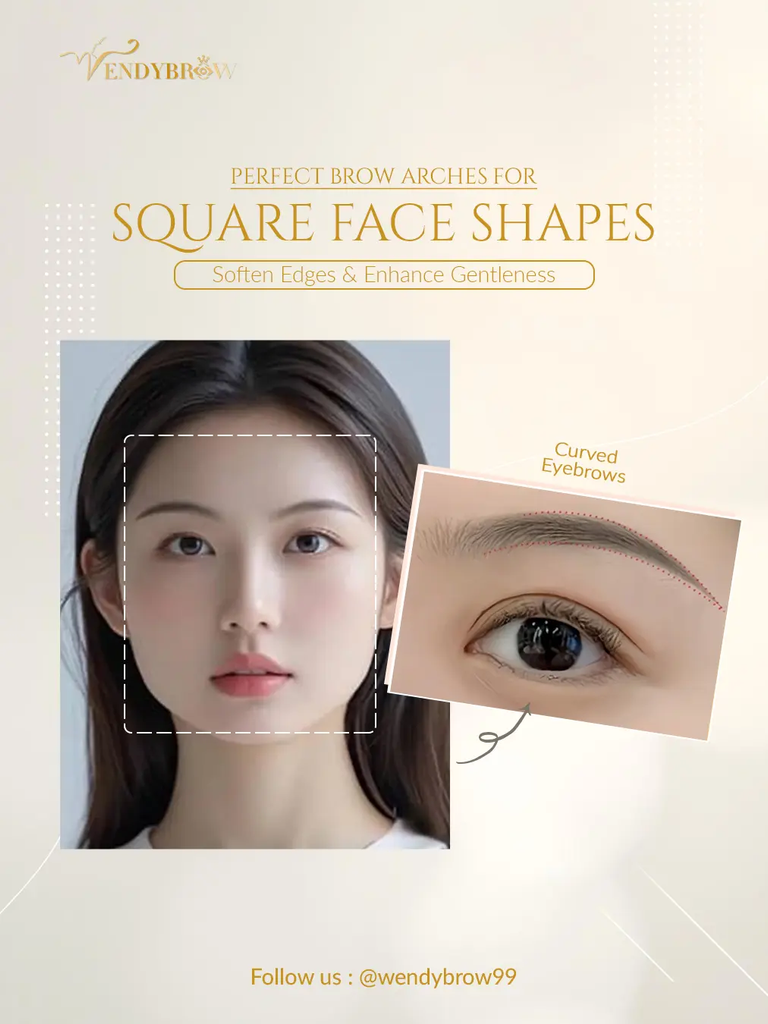
A single viral post can create a temporary spike in attention, but sustainable visibility usually comes from building a useful collection of content.
Imagine a potential customer discovers a business and visits its Xiaohongshu profile.
Seeing only two promotional posts provides very little information.
Seeing 20 useful posts covering prices, frequently asked questions, customer experiences, comparisons and practical advice creates an entirely different impression.
Over time, the profile becomes a small information library.
For a beauty business, this might include:
- Common skin concerns
- Different treatment options
- First-time treatment guides
- What happens during a session
- Treatment preparation
- Aftercare
- Customer experiences
- Frequently asked questions
- Seasonal skincare concerns in Singapore
- Options for different skin types
The objective is not simply to publish more often.
It is to answer more of the questions potential customers have.
Connect Xiaohongshu Content With the Customer Journey
Attention alone does not automatically create revenue.
Businesses should think about what happens after someone discovers them.
A typical journey may look like:
Discovery → Search → Research → Trust → Enquiry → Booking → Visit → Purchase
Every stage matters.
A useful Xiaohongshu post can generate interest, but that interest may disappear if customers cannot understand how to contact the business.
Likewise, strong content cannot compensate for enquiries that receive slow, confusing or inconsistent replies.
Businesses should therefore review:
- Whether contact information is easy to find
- Whether enquiries are answered promptly
- Whether prices or starting prices are clear where appropriate
- Whether booking instructions are simple
- Whether staff know how to handle Xiaohongshu leads
- Whether enquiries are followed up
- Whether leads can be attributed to the platform
- Whether customer questions are fed back into future content
This is where the platform becomes more than a content channel.
Singapore agencies such as Advergreen Digital, which works with SMEs on Xiaohongshu Singapore marketing, can approach the platform as part of the wider customer-acquisition journey rather than treating each post as an isolated marketing activity.
Measure What Actually Matters
Likes and followers can indicate attention, but they should not be treated as the final measure of business performance.
Useful Xiaohongshu metrics depend on the objective.
Content and Discovery Signals
- Impressions
- Post views
- Profile visits
- Saves
- Shares
- Comments
- Search-related discovery
Consideration Signals
- Profile exploration
- Questions in comments
- Direct messages
- Repeated enquiries about a particular post
- Customers mentioning Xiaohongshu
Business Signals
- WhatsApp conversations
- Appointment requests
- Store visits
- Reservations
- Leads
- Purchases
- Revenue
- Cost per enquiry or acquisition where measurable
The relationship between these metrics matters more than any one number.
If pricing posts consistently receive saves and enquiries, customers may be looking for more transparent buying information.
If customer-experience posts generate enquiries, social proof may be particularly important to that audience.
If posts receive many views but almost no profile visits or enquiries, the content may be attracting attention without creating enough commercial relevance.
These patterns should influence future content.
Which Singapore Businesses Can Benefit Most?
Xiaohongshu can work across many industries, but it is particularly relevant for businesses where customers research experiences, reviews, comparisons or recommendations before buying.
Beauty and Wellness
Facials, skincare, hair salons, spas, fitness services and wellness experiences naturally lend themselves to demonstrations, educational content, reviews, comparisons and customer journeys.
Food and Beverage
Restaurants, cafés, bakeries and specialty food businesses can combine visually appealing content with practical information such as recommended dishes, prices, locations, queues, booking requirements and dining experiences.
Education
Parents and students commonly research schools, enrichment programmes, tuition options, courses and learning experiences before making enquiries.
Educational businesses can explain programmes, learning approaches, common questions, student experiences and differences between available options.
Travel and Hospitality
Hotels, attractions, tours and tourism businesses can appear during the planning process before visitors even arrive in Singapore.
Content answering itinerary, transport, location, pricing and “is it worth visiting?” questions can be particularly useful.
Retail and Lifestyle
Fashion, home décor, gifts, specialty products and other visually driven businesses can use demonstrations, comparisons, styling ideas, buying guides and real-world use cases.
Property and Home Services
Renovation companies, interior designers and selected home-service businesses can benefit when customers want to compare styles, understand processes, estimate budgets or see previous work.
Not every business requires the same Xiaohongshu strategy. The strongest opportunities generally exist where customers have enough uncertainty or interest to conduct research before choosing.
Common Xiaohongshu Mistakes Businesses Should Avoid
Several mistakes repeatedly weaken Xiaohongshu campaigns.
Posting Like Instagram
Uploading attractive photos without enough useful information gives search-driven users little reason to save or revisit the post.
Being Too Promotional
Repeatedly saying a business is “professional”, “premium” or “the best” is less persuasive than explaining what customers actually receive and experience.
Translating Corporate Copy Into Chinese
Correct Chinese is not automatically natural Xiaohongshu content.
Choosing Creators Only by Follower Count
Audience relevance, content quality and category fit can matter just as much as reach.
Publishing Random Topics
Ten unrelated posts usually create less topical authority than ten posts answering different questions around one clear customer need.
Chasing Viral Content
A viral post that attracts the wrong audience may generate less business value than a smaller post answering a high-intent customer question.
Ignoring the Enquiry Process
Marketing does not end when someone views the content. Slow replies, unclear prices and complicated booking processes can waste the demand the content created.
Measuring Only Likes
Engagement is useful, but businesses ultimately need to understand whether the platform contributes to enquiries, visits, bookings or sales.
A Practical Xiaohongshu Marketing Framework
Businesses starting on Xiaohongshu can use a relatively simple process.
Step 1: Define the Audience
Identify who the business wants to reach and what that customer typically cares about.
Step 2: Collect Real Customer Questions
Review sales conversations, WhatsApp messages, reviews, calls and frequently asked questions.
Step 3: Research Search Intent
Identify broad category searches, problem-based searches and decision-stage queries.
Step 4: Build Topic Clusters
Group related questions around several commercially relevant themes.
Step 5: Create Useful Content
Produce clear covers, natural captions and real-world examples that answer each question properly.
Step 6: Add Creator Perspectives
Work with relevant KOCs or KOLs when independent experiences can strengthen reach and trust.
Step 7: Amplify Strong Content
Use paid promotion selectively where appropriate instead of boosting every post indiscriminately.
Step 8: Connect Content to Conversion
Make the journey from discovery to enquiry, booking or purchase as simple as possible.
Step 9: Measure and Learn
Track which topics influence meaningful customer actions and use those insights to shape the next round of content.
This creates a continuous cycle:
Search Intent → Content → Discovery → Trust → Conversion → Customer Questions → Better Content
When Does It Make Sense to Work With a Xiaohongshu Agency?
Not every business needs an agency.
Companies with Chinese-language capability, internal content resources and experience managing creators may be able to build their Xiaohongshu presence internally.
External support can become more useful when a business needs help with several areas at once, such as:
- Chinese-language content strategy
- Search-focused topic planning
- Xiaohongshu account management
- KOC or KOL sourcing
- Creator coordination
- Campaign planning
- Paid promotion
- Lead-generation strategy
- Tracking and reporting
For Singapore SMEs that lack these internal capabilities, a local team such as Advergreen Digital can help structure these activities while keeping the strategy connected to measurable business outcomes rather than simply producing more posts.
Final Thoughts
Xiaohongshu gives Singapore businesses an opportunity to appear while potential customers are still deciding what to buy, where to go and which business to trust.
That makes the platform fundamentally